More Than One Way to Homeschool: Exploring Curriculum Options That Fit Your Family
One of the first questions new homeschool parents ask is, “What curriculum should I use?”
And it’s no wonder! Walk into a homeschool convention, browse a curriculum catalog, or search online, and you’ll quickly discover more choices than you ever imagined. Textbooks, workbooks, online programs, unit studies, living books, traditional curriculum, classical education, eclectic approaches… Where do you even begin?
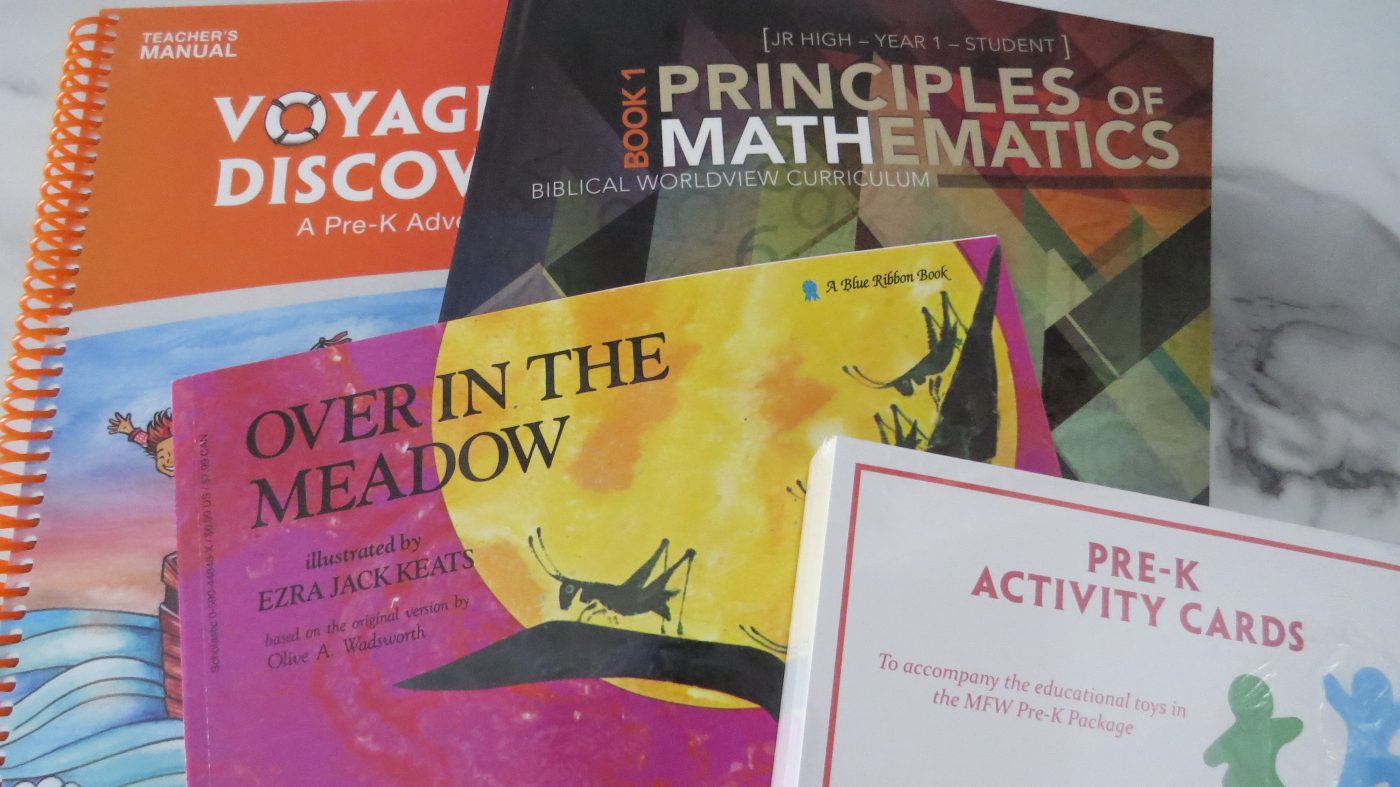
Here’s something I learned through years of homeschooling: There is no one-size-fits-all curriculum. What works beautifully for one family may be a frustrating experience for another (or may work for you one year and not the next, or for one kiddo and not another….). The key is to find resources that fit your child, your family, and your educational goals.
So before you start filling your shopping cart, let’s look at a few things to consider.
Start with the destination, not the curriculum catalog!
Before deciding what to buy, take a step back and ask yourself a few questions:
- Why are we homeschooling?
- What do we want our children to learn?
- What kind of adults are we hoping to help them become?
- What are our educational priorities?
- Where are we starting academically and what are realistic goals for this year?
Of course, we want our children to develop good reading and communication skills, mathematical thinking, reasoning abilities, and an understanding of the world around them. But education is about more than just academics!

Consider your goals for your child’s intellectual, spiritual, social, and physical development. You may want to nurture a love of learning, develop character and responsibility, strengthen communication skills, or help your child discover and develop God-given gifts and abilities. Try to make your goals specific and measurable so you have a way to evaluate progress along the way.
Once you have a clearer picture of where you’re headed, it’s easier to determine which resources might help you get there.
Consider your child and your family
Not every child learns in exactly the same way, and not every family has the same needs. Think about your child’s interests, abilities, maturity, and learning preferences. Does your child enjoy reading independently? Does he learn best through hands-on activities? Does she need more structure and accountability, or does she thrive with room to explore?
Also consider your family circumstances. If you have several children, you may appreciate resources that allow you to teach multiple ages together, particularly in subjects such as history, science, and Bible. You can adapt assignments and expectations for each child’s ability and maturity.
Think about your own teaching style, too. Some parents enjoy structured lesson plans and daily checklists. Others prefer a more flexible approach. Neither is automatically better; the important thing is finding something you can (and will!) use consistently.

Consider the different approaches to homeschooling
There are several broad approaches to homeschooling. Understanding the differences can help you narrow your choices (And remember, you don’t have to fit neatly into just one category…you can mix and match, maybe with one approach for math or language arts and another for science or history, for example. More on that later.)
Traditional approach
This is probably the approach most familiar to parents. It often uses textbooks, workbooks, teacher guides, and a fairly structured sequence of lessons. Subjects are generally taught separately, with assignments and assessments along the way. These materials will generally be labeled by grade levels.
Classical approach
Classical education is often organized around three stages of learning: grammar, dialectic (or logic), and rhetoric. Children first build a foundation of knowledge, then learn to analyze and reason through ideas, and eventually develop the ability to communicate and defend their thinking effectively.
Living Books approach
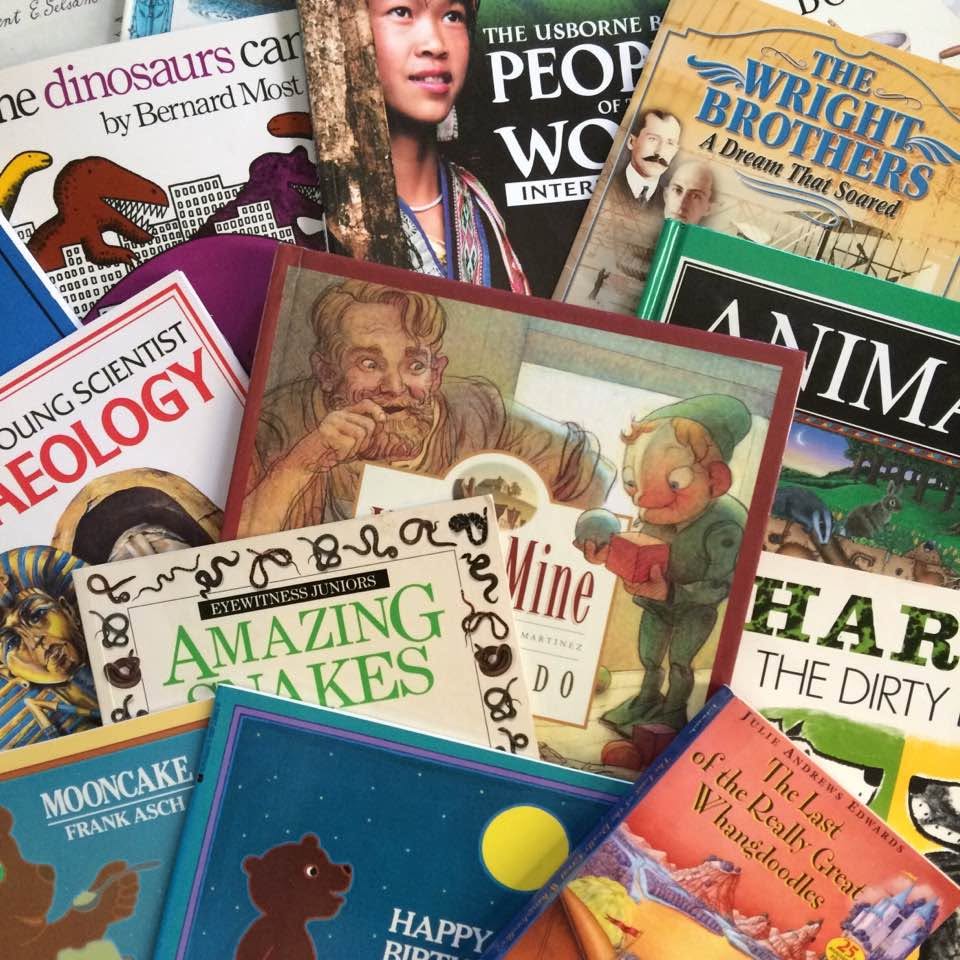
Rather than relying primarily on textbooks, this approach uses engaging, well-written books to introduce children to people, places, events, and ideas. Literature, biographies, nature study, and rich nonfiction can become important parts of learning. (And you can see where these approaches can overlap, as living books might be used as part of a classical approach or as supplements to traditional learning, or in unit studies…..)

Unit Studies
Unit studies organize learning around a central topic or theme. For example, a study of birds might include reading stories and poems, studying bird anatomy, identifying local birds, painting pictures, reading biographies of naturalists, or building a birdhouse. Different subjects are woven together around the same theme, with activities adapted for different ages, with age- and developmentally appropriate expectations.
Relaxed or Delight-Directed Learning
This approach allows more flexibility and gives considerable attention to a child’s interests and natural curiosity. Learning opportunities may grow out of questions, projects, books, hobbies, and everyday experiences. Parents still guide and encourage learning, but the schedule and subject matter may be less rigid. “Unschooling” can also fit into this category.

Eclectic Homeschooling
Many families discover that they don’t fit into one particular approach. They may use a traditional math program, living books for history, a science unit study, and online resources for another subject. This mix-and-match approach allows parents to choose what works best for each child and subject.
And that’s perfectly fine! You can combine approaches, too. You might use a more structured curriculum for some subjects and a relaxed, interest-led approach for others.

Homeschooling doesn’t have to mean school on a screen!
If you’re new to homeschooling, you may assume that you need to enroll in an online program or purchase an all-in-one curriculum that tells your children what to do each day. Those are certainly options, and they work well for some families. But they are far from your only choices!
Homeschooling can include textbooks, workbooks, living books, hands-on projects, online lessons, or any combination of these. You can provide a rich, well-rounded education without having your children spend hours each day in front of a computer. You could even homeschool using only the library and local community resources!
For example, you might choose:
- Self-guided workbooks and textbooks that allow your child to work independently, at an appropriate pace.
- Project-based learning, where children explore a topic through research, hands-on activities, creative projects, and real-world applications.
- A mix-and-match approach, using one publisher’s math curriculum, another company’s language arts materials, and your own selections for history and science.
- Living books and literature combinations, using engaging biographies, historical fiction, quality nonfiction, and other books to build knowledge and understanding.
- Hands-on and experiential learning, incorporating nature study, cooking, building, field trips, practical skills, and opportunities to explore your child’s interests.
You might use a video lesson occasionally to explain a difficult math concept, an online resource for a particular subject, or a computer-based program for independent practice. That’s fine, too!
The point is that you get to choose the tools and resources that work for your family. You aren’t required to purchase a complete package, follow someone else’s school schedule, or make a computer the center of your homeschool. In fact, some families find that a combination of books, workbooks, hands-on activities, and a little online instruction gives them just the right balance.

Before you buy, ask yourself five questions
It’s easy to get caught up in attractive curriculum displays, enthusiastic recommendations, and special convention pricing. But before making a purchase, consider these five questions:
- How much TIME do I have? Some programs require considerable parent involvement, while others are designed for more independent work. Be realistic about the time you can devote to preparation and teaching.
- How much MONEY do I have? Curriculum costs vary widely. Remember that you don’t have to purchase an expensive program for every subject, and some excellent learning resources are free or inexpensive.
- How much STRUCTURE do I want or need? Does your family need a clearly laid-out daily schedule, or would you prefer more flexibility, maybe in time blocks instead of scheduled subjects?
- Does this material reflect our VALUES? Consider the underlying worldview, messages, and assumptions presented in the material. Does it support the convictions and priorities you want to cultivate in your home?
- Is this a GOOD FIT for my child and my family? Just because a program is popular doesn’t mean it is necessarily the right program for your student. Consider your child’s abilities, interests, and needs, as well as your family’s lifestyle and goals.

Curriculum is a tool—not the goal!
- It’s easy to become so focused on finding the perfect curriculum that we lose sight of why we’re homeschooling in the first place.
- You don’t have to buy a boxed curriculum to homeschool successfully. You don’t even have to choose just one approach. You can build an educational experience that fits your children, your convictions, and your family’s lifestyle.
- Curriculum is simply a tool to help us accomplish our educational goals. It doesn’t have to do all the teaching, and it certainly doesn’t have to determine every aspect of our days.
- Education encompasses so much more than simply academics. We want to nurture faith, develop virtue, build knowledge, and help our children discover and strengthen their unique gifts and abilities.
Remember: You don’t have to recreate a traditional school at home. You have the opportunity to build an educational experience around your child and your family. And you can enjoy the adventure along the way!

_________________________________________
Want to explore these options in more detail?
I’ve put together a video, Exploring Curriculum Options, to help you better understand the different approaches and think through which might work best for your family.
We’ll look at the various methods, consider how they can be combined, and talk about some practical things to keep in mind as you make your curriculum decisions.
[WATCH THE VIDEO: Exploring Curriculum Options]
Whether you’re just getting started or simply rethinking what you’re doing, I hope this gives you a little more confidence as you make those choices. You don’t have to figure it all out at once. Take it one step at a time!
____
This post is adapted from Vicki’s workshop on “Exploring Curriculum Options” and from the “Choosing Curriculum” chapter of Home Education 101: A Mentoring Program for New Homeschoolers.
_________________________________________
For more information:
Free or Budget-Friendly Homeschool Curriculum
Do I Need An Accredited Program to Homeschool?
So You’ve Decided to Homeschool….NOW What? (video)
Exploring Curriculum Options (video)
Do I Need a Curriculum for Kindergarten?
Keeping Preschool in Perspective
Learning through Play (please read this if your child is under 6)
Preparing Your 8th Grader for High School
 Click on image to learn more!


